PEIS
PEIS: Parents Education Insurance Scheme
Planning is the most powerful thing a parent can do for their child’s education
PEIS is a community-led, self-managed system through which parents plan ahead for the full cost of their children's education, save toward it consistently, hold each other accountable, and act before a fee crisis forces a child out — not after.
What Makes PEIS Different From Community Saving Groups [ie. A VSLA or Sacco}
PEIS is not a general savings group. Three things make it fundamentally different:
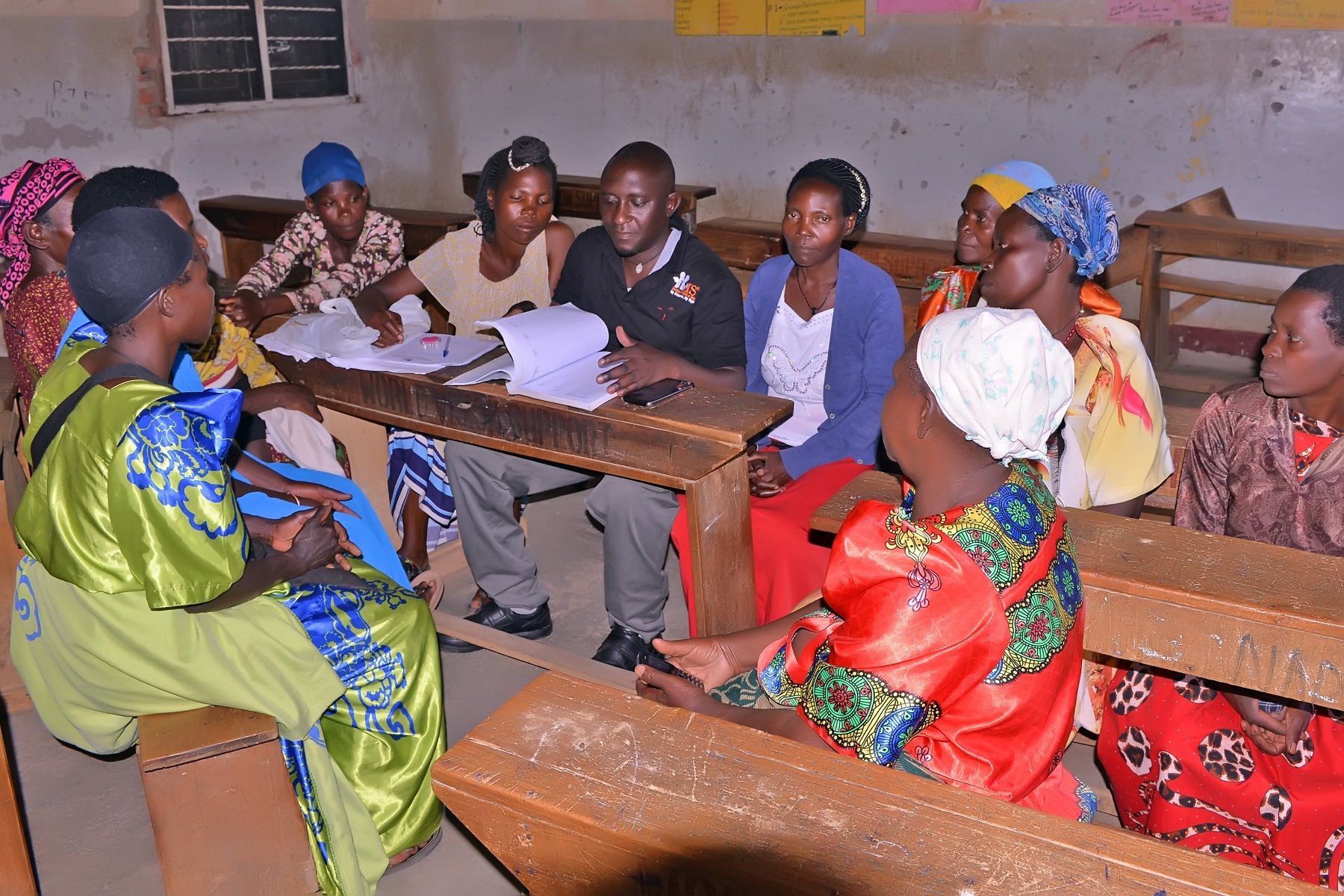
- Starts with a plan, not a contribution. Each family estimates their child's full education cost before saving a single shilling. Saving targets flow from the plan — need-based, not fixed-share.
- Tracks children, not just money. Groups monitor school attendance alongside savings. Is every child enrolled? Were fees paid on time? Which child is at risk this term?
The Seven-Step PEIS Pathway

01 - IDENTIFY
Spot children at risk before crisis, including those already out of school.

02 - ORGANISE
Parents form a group, agree rules, elect their own leadership.

03 - PLAN
Each family estimates their child’s full education cost; sets a personal saving target.

04 - SAVE
Regular, flexible, need-based contributions. No penalties for missed payments.

05 - SUPPORT
Funds pay school costs on time; mutual support for members in hardship.

06 - TRACK
Group monitors school attendance and dropout risk — not just the savings register.

07 - GROW
At maturity: joint income-generating activities for members who need to earn more to save more.
PEIS By The Numbers (2022 –June 2026)
Active groups across Kampala
Students covered by active groups
Saved by families [2022-Jun 2026}
active member parents (94% women in membership and leadership)
School retention among PEIS member households
Who Joins A Peis Group?
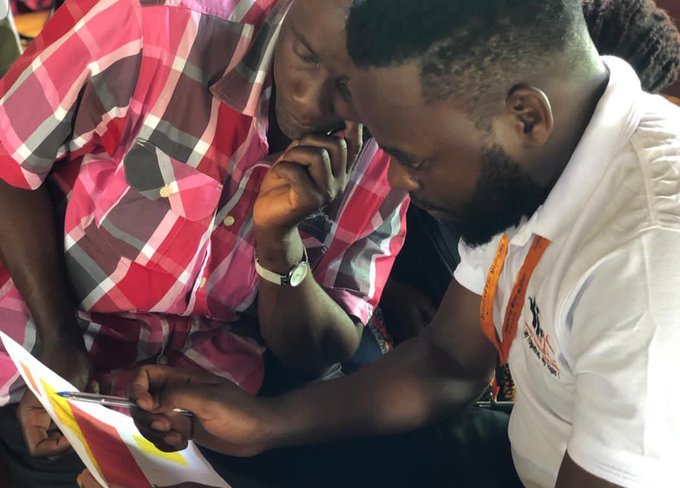
PEIS is designed primarily for families who want to keep their children in school but face irregular income and recurring education costs. Current PEIS members in Kampala include market vendors, domestic workers, casual labourers, sex workers and small-scale traders.
What they have in common is not a particular occupation or income level. It is the desire to keep their children learning, combined with the need for a practical way to prepare for the cost.
94% of PEIS members are women — not by requirement, but by community choice.
PEIS can also work with:
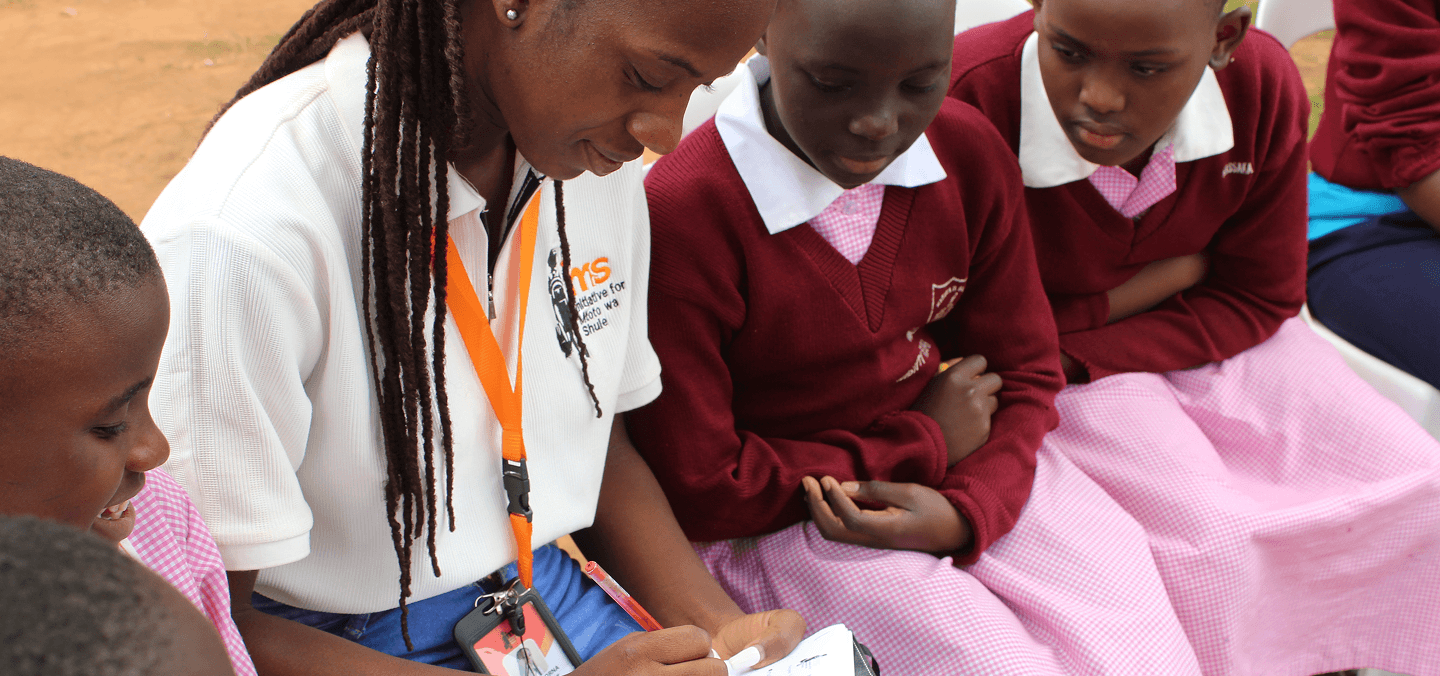
Schools
That want to strengthen parent engagement around education financing and retention.
Community organisations
That want to add an education financing model to their existing programmes.
VSLA programmes
That want to introduce a dedicated education financing layer to existing savings structures.
Government and education authorities
Exploring community-led approaches to education financing and dropout prevention.
Development and research partners
Interested in testing, evaluating or scaling community education financing models.
PEIS Is Already Replicating
A model designed to travel.
PEIS began as an IMS innovation, but its potential goes beyond the communities where IMS directly works.
Lady Mermaid Empowerment Centre became the first independent organisation to adopt the PEIS model in 2023. PEIS is now standardised as a cross-partner methodology within the CISU-funded Integrated HIV, SRH and Education Programme 2026–2029, implemented in Uganda and Malawi.
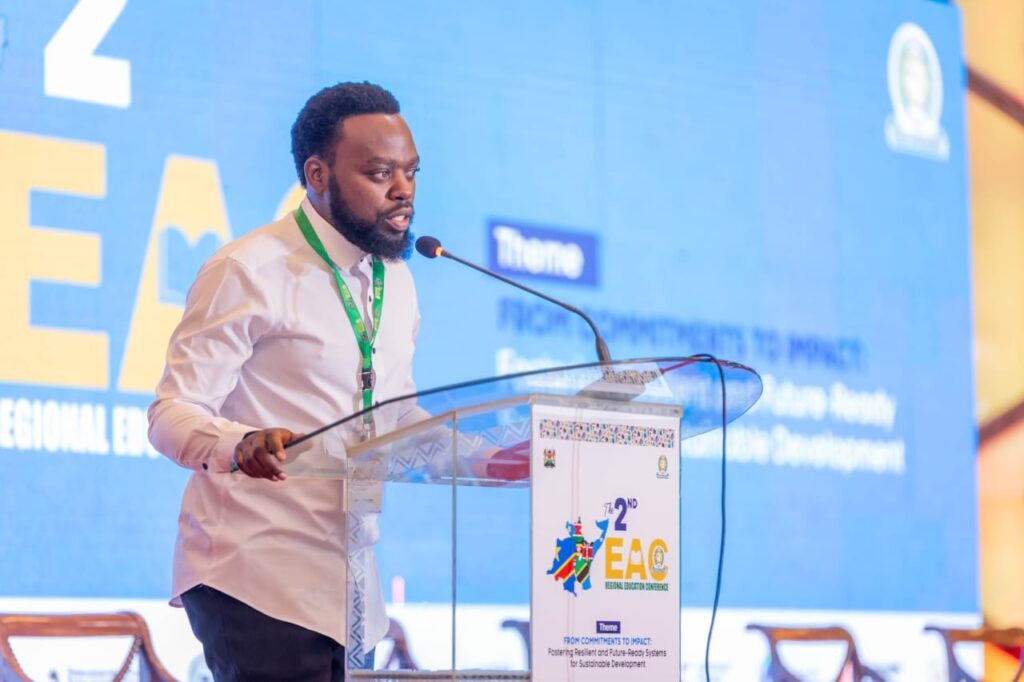
In August 2026, IMS presented PEIS at the 2nd EAC Regional Education Conference in Nairobi, Kenya, under Sub-Theme 6: Education Financing and Governance. This marked the first time the model reached a regional policy platform.
PEIS is being developed not simply as an IMS programme, but as a model that other organisations can understand, implement, measure and adapt.
The PEIS Model Standard
Built for replication. Protected by a model standard.
As PEIS moves into new communities and organisations, consistency matters.
The PEIS Model Standard v1.0 defines the essential elements of the model that should remain consistent during replication, while allowing appropriate adaptation to different contexts.
The implementation package includes:
Model Standard v1.0
Defines the core principles and requirements of PEIS implementation.
Training of Trainers Manual
Equips partner organisations to train and support PEIS facilitators.
Replication Playbook
Provides practical guidance for organisations establishing PEIS in a new context.
Group Formation Toolkit
Supports the formation, organisation and early operation of PEIS groups.
Fidelity Assessment Tool
Helps assess whether implementation remains faithful to the model.
MEAL Framework
Provides the structure for monitoring results, learning and documenting change.